What we built.
Building a User-Centric, Secure eCommerce Platform for Eyewear with Virtual Try-On Functionality: A Case Study of Bonlook.com
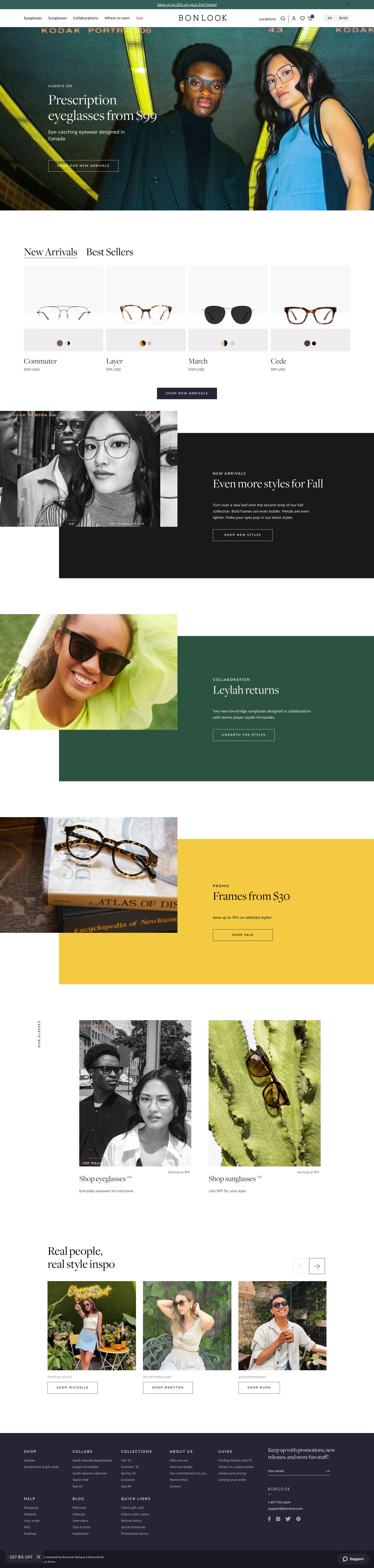
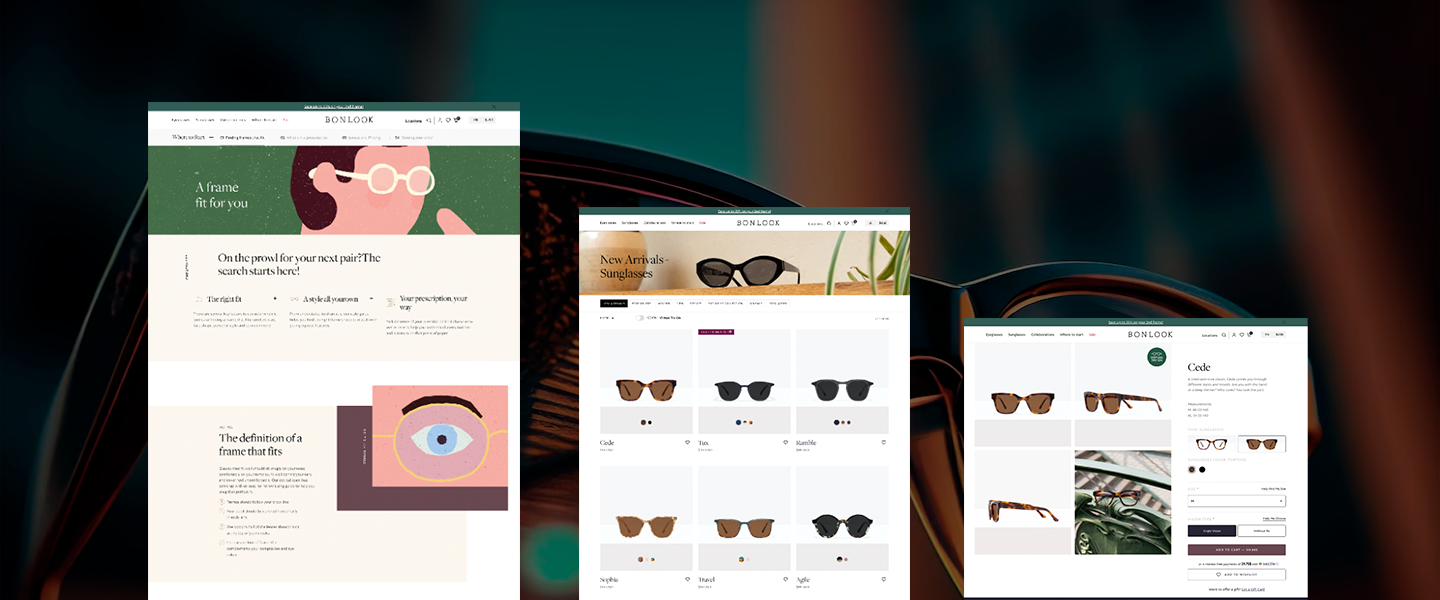
The primary objective of this project was to create a visually appealing and user-friendly eCommerce website for eyewear and sunglasses, backed by a robust Virtual Try-On functionality that improves customer engagement and enhances the overall shopping experience. The website was built using the Shopify platform, by integrating various widgets and services to optimize performance and security.
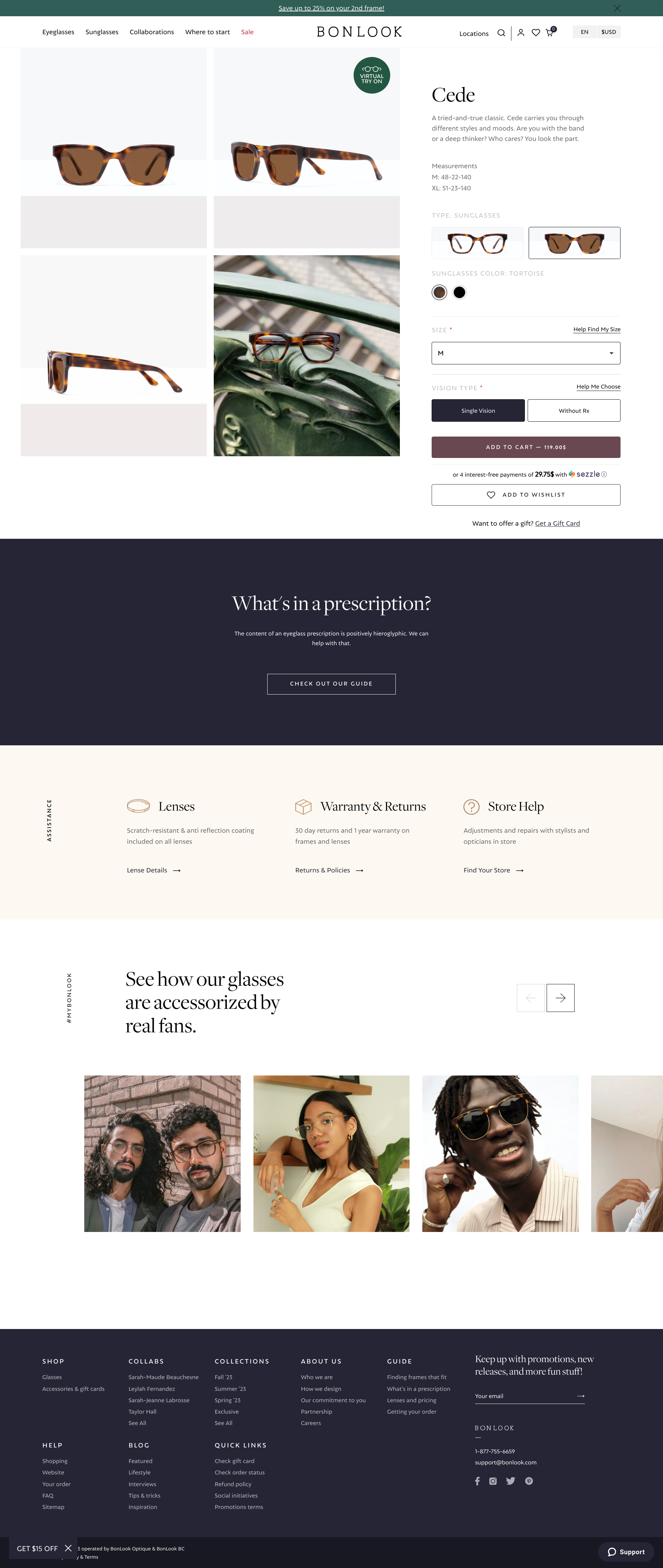
1. Virtual Try-On: The Virtual Try-On feature is a unique selling point of the website. It allows users to upload a photo or activate the device camera to superimpose eyewear frames on their faces in real-time. This feature was built from scratch using HTML canvas, providing an intuitive and accurate representation of how different eyewear styles look on the user.
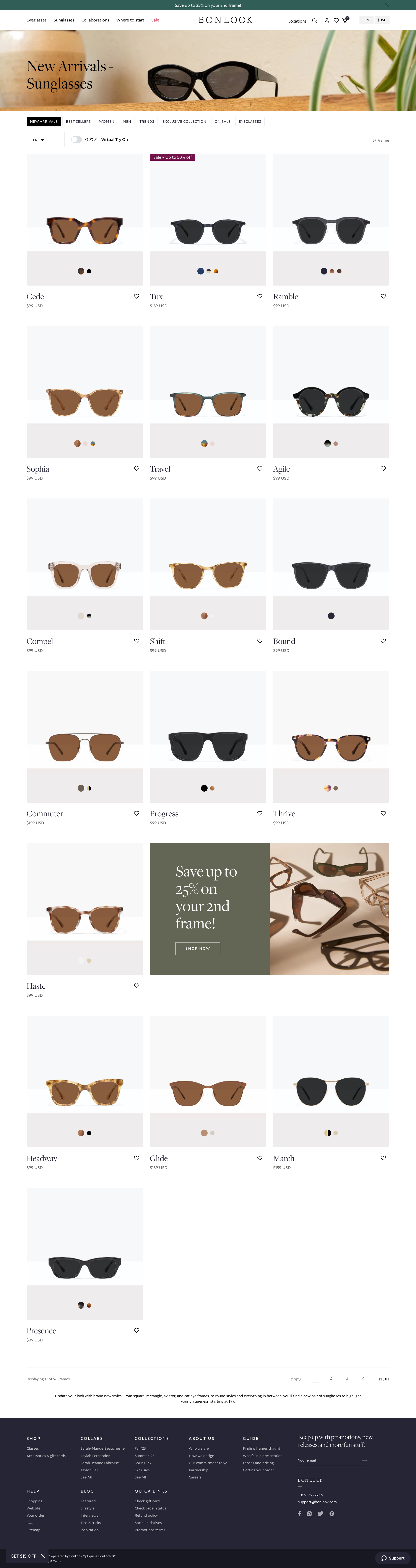
2. Boost Commerce: The website utilizes the Boost Commerce widget to enhance product search and filtering capabilities. This ensures that users can easily find their desired eyewear products, based on attributes like frame shape, color, brand, and more.
3. Periodic: Periodic widget is integrated to enhance product recommendations and personalized shopping experiences. By analyzing user behavior, browsing history, and preferences, the system intelligently suggests relevant eyewear options for individual customers.
4. Cloudflare Bot Manager: To ensure the website remains protected from malicious bots and other security threats, Cloudflare Bot Manager is activated. This helps in preventing fraud attempts, maintaining a secure shopping environment, and enhancing overall user trust.
5. Zendesk Dropbox: The Zendesk Dropbox integration enables seamless customer support, allowing users to submit their queries or issues, along with required attachments or images, directly through the website. This enhances communication and enables quick resolution of customer concerns.
6. US Privacy User Signal Mechanism: The website respects the privacy of its users and complies with regulations like the US Privacy User Signal Mechanism. This ensures that user preferences regarding third-party data sharing and tracking are accurately honored, further enhancing trust and compliance.